

Understanding micro cannula Basics
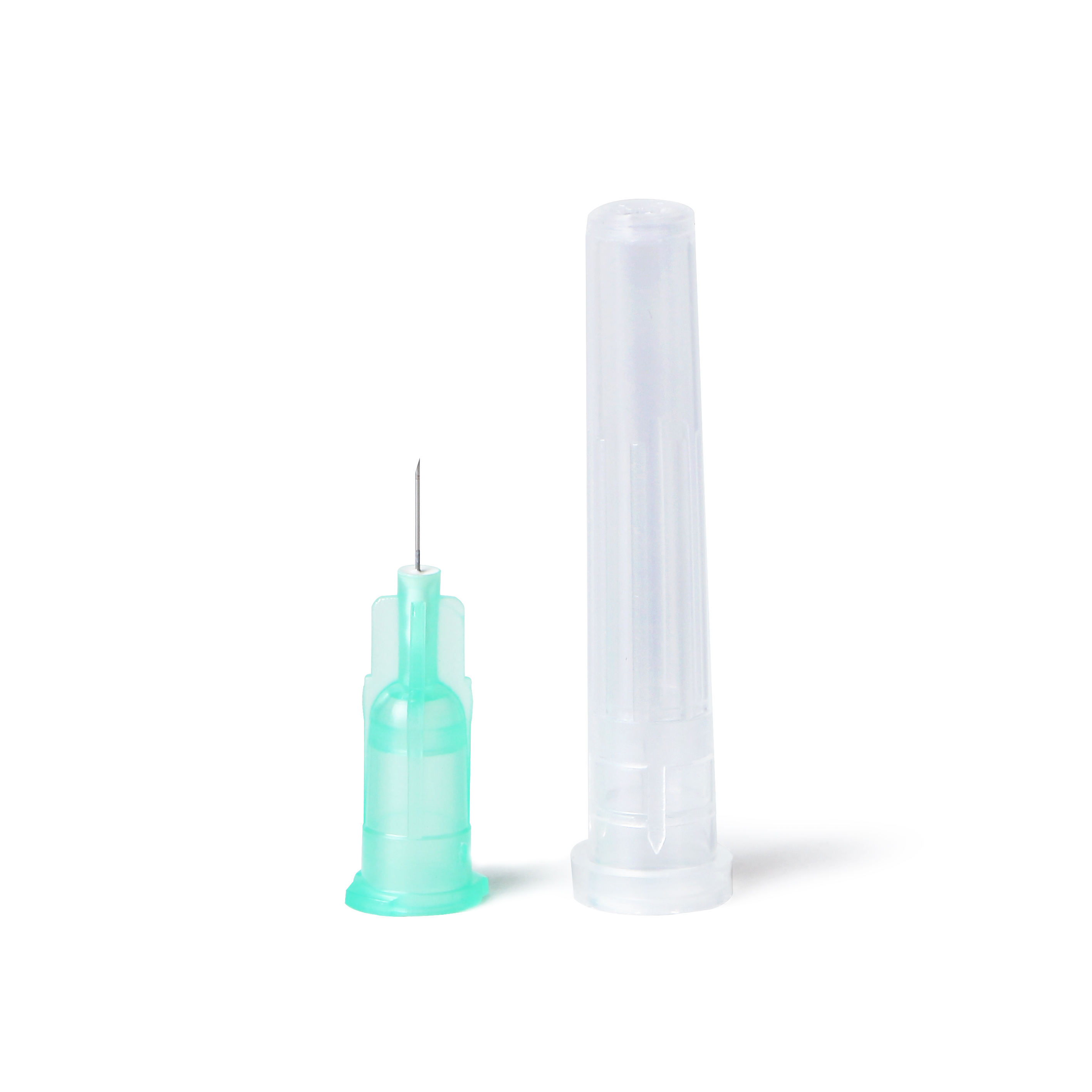
Micro cannulas have become a pivotal tool in the realm of dermal filler injections. Unlike traditional sharp needles, micro cannulas are flexible, hollow tubes with a blunt, rounded tip. This design helps in reducing tissue damage, minimizing bruising and swelling during the injection process. These attributes make them a preferred choice in the cosmetic industry for delivering fillers with precision and comfort.
How Micro Cannulas Function
The blunt tip of a micro cannula allows it to navigate through the tissues with minimal resistance. By creating a small entry point with a sharp needle, the micro cannula is then inserted through this incision to distribute the filler. This method reduces the risk of puncturing blood vessels, which is a common issue with conventional needles.
Importance of Certification and Safety Standards
When selecting a micro cannula manufacturer, it is crucial to ensure that the products adhere to international safety and quality standards. Certifications such as FDA and CE are indicators of compliance with stringent quality assurance protocols.
Role of ISO Standards
ISO standards provide an additional layer of safety evaluation for micro cannula products. They ensure the manufacturer employs consistent quality control measures. It is advisable to seek suppliers who demonstrate adherence to these standards to ensure optimal safety and product effectiveness.
Evaluating Manufacturer Reputation
Reputation is a significant factor when considering a micro cannula supplier. Established manufacturers usually have a history of reliability and quality, which is reflected in customer reviews and testimonials. A reputable factory is likely to have a track record of consistency in product performance.
Customer Feedback and Trust
Positive feedback from practitioners and end-users signifies trust in the manufacturer. Satisfaction rates and user reviews can provide insights into the reliability and effectiveness of the micro cannulas produced. Trusted brands often have better after-sales service, further solidifying their reputation.
Material Quality and Manufacturing Techniques
The choice of materials used in manufacturing micro cannulas directly impacts their performance and safety. High-grade materials combined with advanced manufacturing processes yield superior products.
Advanced Production Processes
Factories employing the latest technologies in micro cannula production can offer products with enhanced durability and precision. The manufacturing process should ensure that each micro cannula is uniform, with consistent wall thickness for smooth flow and accurate filler placement.
Technological Innovation by Top Brands
Innovative technologies are a hallmark of top-tier micro cannula manufacturers. Factories that invest in research and development can introduce new designs that improve user experience and patient outcomes.
Leading Innovations in Micro Cannula Design
Improvements, such as enhanced flexibility and thinner walls, contribute to a more seamless injection experience. Manufacturers that continuously innovate stay ahead in the market by providing products that meet evolving practitioner and patient needs.
User Experience and Brand Recommendations
Examining user experience can guide the choice of a micro cannula supplier. Personal trials and recommendations from colleagues can provide practical insights into the performance of different brands.
Evaluating User-Friendly Products
Products that are easy to insert and maneuver are preferred by practitioners. Manufacturer recommendations based on training and ease of use often indicate higher quality products designed with user needs in mind.
Diversity in Product Range
Manufacturers offering a wide range of micro cannula sizes and types cater to diverse clinical requirements. A well-rounded product portfolio suggests a comprehensive understanding of the market's demands.
Customization and Versatility
The availability of cannulas in various gauges and lengths allows practitioners to choose the most suitable product for specific procedures, whether for superficial or deeper tissue injections.
Analyzing Cost vs. Quality
While cost is a factor, it should not compromise quality. High-quality micro cannulas often justify a higher price point with enhanced performance and safety features.
Investment in Quality for Better Results
Spending on superior products from reputable suppliers can lead to long-term savings by reducing complications and increasing patient satisfaction.
Global Players in the Micro Cannula Industry
The global market for micro cannulas includes a mix of well-established manufacturers and emerging suppliers. Understanding the landscape can aid in selecting a partner that aligns with your quality and budgetary expectations.
Strategic Partnerships and Market Reach
Manufacturers with a robust global presence and strategic partnerships often provide better support and product availability, ensuring a seamless supply chain.
Future Trends in Micro Cannula Development
The future of micro cannula manufacturing is geared towards even less invasive procedures and improved patient outcomes. Manufacturers are exploring new materials and techniques to enhance flexibility and precision.
Adapting to Market Needs
As demand for minimally invasive procedures grows, manufacturers that anticipate and adapt to these trends will offer products that meet future needs, keeping practitioners equipped with the latest tools.
Concluding Thoughts
Choosing the right micro cannula manufacturer involves thorough consideration of certification, reputation, material quality, and innovation. By assessing these factors, practitioners can make informed decisions that ensure the safety and satisfaction of their patients. Investing in the right supplier ultimately reflects on the quality of care provided, influencing the success of aesthetic procedures.
Provide Solutions
To select the ideal micro cannula manufacturer, prioritize compliance with international standards and verify certifications like FDA and CE. Evaluate the factory's reputation by reviewing customer feedback and ensuring material quality is superior. Consider technological innovations that enhance product functionality and user experience. Finally, weigh cost versus quality, ensuring your supplier offers products that align with your clinical requirements while maintaining safety and efficacy.
Post time: 2025-12-08 19:14:02