

Historical Development of Cannulas in Industry
Early Uses of Cannulas in Factories
The use of cannulas in industrial settings dates back to the early 1900s, primarily in sectors requiring precision fluid transfer. Early cannulas were simple metal tubes, often prone to corrosion, limiting their lifespan and effectiveness in harsh factory environments. The need to handle various fluids, from oils to chemicals, propelled the demand for more reliable materials that could withstand industrial conditions.
Transition to Modern Materials
By mid-20th century, innovations in material science led to the introduction of stainless steel and plastics in cannula manufacturing. These materials offered enhanced resistance to corrosion and chemical reactions, making them ideal for factory use. The wholesale adoption of these materials significantly improved the durability and reliability of cannulas in high-demand environments.
Material Innovations in Industrial Cannulas
The Rise of Advanced Polymers
Recent years have seen a shift towards using advanced polymers such as PTFE and PEEK for industrial cannulas. These materials provide superior chemical resistance and flexibility, crucial for modern factory processes. They also reduce the risk of contamination in sensitive applications, such as pharmaceuticals and semiconductors, where purity is critical.
Biocompatible and Eco-friendly Materials
In addition to performance, environmental sustainability has become a priority. The development of biodegradable polymers addresses both performance and ecological concerns, providing factory solutions that do not adversely affect the environment. An increasing number of manufacturers are investing in sustainable materials, aligning with global eco-friendly trends.
Design Advancements in Industrial Cannulas
Improved Ergonomics and Efficiency
Modern cannula designs focus on ergonomic benefits to enhance user interaction and reduce fatigue. They incorporate features like tapered tips for easy insertion and smooth edges to minimize friction. This has improved efficiency and reduced the time needed for routine maintenance in factories.
Customizable Designs for Specific Applications
With the evolution of factory needs, the demand for customizable cannula designs has surged. Manufacturers now produce cannulas tailored to specific industrial applications. This customization helps optimize performance and efficiency, addressing unique challenges such as varying fluid viscosities and flow rates.
Cannulas in Automation and Robotics
Integration with Robotic Systems
In modern factories, cannulas are integral to automation systems. Their precision and reliability make them ideal for tasks such as fluid transfer and chemical handling within robotic applications. This integration improves accuracy and efficiency, critical in automated factory operations.
Impact on Productivity and Safety
Robotic systems incorporating cannulas have significantly boosted productivity. By automating repetitive and complex tasks, they reduce human error and improve operational safety. The use of smart cannulas enhances these systems by providing real-time data for better control and decision-making.
Micro Cannulas for Precision Manufacturing
Adapting to Miniaturization Trends
As factories move towards miniaturization, especially in electronics and biotech industries, micro cannulas have gained prominence. These small-scale devices offer high precision and are essential for handling minute quantities of fluids. Their development has been supported by advancements in micro-manufacturing techniques.
Benefits in High-precision Industries
Micro cannulas facilitate improved precision in manufacturing processes, which is critical in industries like aerospace and electronics. They allow manufacturers to maintain stringent quality standards, ensuring product reliability and performance.
Smart Cannulas in Modern Factories
Integration of Smart Technologies
The integration of smart technologies into cannulas, such as sensors for real-time monitoring, has revolutionized industrial applications. These smart cannulas provide data on flow rates and pressure, enabling better process control and optimization.
Enhancing Factory Operations
Smart cannulas contribute to enhanced factory operations by providing insights that can be used to adjust processes in real-time. This capability minimizes waste, ensures consistent quality, and reduces downtime, thereby improving overall factory efficiency.
The Role of Cannulas in Quality Control
Ensuring Consistency and Reliability
Cannulas play a crucial role in maintaining quality control across various manufacturing processes. Their precision ensures consistent fluid delivery, essential for maintaining the integrity of end products.
Reducing Defects and Contaminations
By enabling accurate fluid handling, cannulas help reduce the risk of defects and contaminations. This is particularly important in industries requiring high purity levels, such as pharmaceuticals and food processing.
Environmental Considerations and Sustainability
Trends Towards Sustainable Manufacturing
Environmental sustainability is increasingly prioritized in factory operations. Cannula manufacturers are adopting eco-friendly practices, such as using sustainable materials and reducing waste during production.
Challenges and Opportunities
While there are challenges in balancing performance and sustainability, opportunities for innovation exist. The development of biodegradable cannulas is a positive step towards reducing industrial waste and minimizing environmental impact.
Safety and Regulatory Changes
Adherence to Industry Regulations
Stricter safety and environmental regulations have impacted the design and manufacturing of industrial cannulas. Manufacturers must ensure compliance with standards such as ISO and FDA, which govern material safety and performance.
Impact on Manufacturing Processes
These regulatory changes have prompted innovations in manufacturing processes, ensuring that factory-use cannulas meet the highest safety and quality standards. Compliance helps build trust with customers and opens avenues for international trade.
Future Trends and Innovations
Embracing Digital Transformation
The digital transformation of factories will further impact cannula technology. The use of IoT and AI to monitor and control cannula operations will enhance precision and efficiency, driving further industrial innovation.
Potential Developments in Cannula Technology
Future innovations may include self-monitoring cannulas capable of autonomous adjustments, providing unprecedented control over fluid dynamics in factory environments. These advancements will enhance productivity and reduce costs.
Conpuvon Provide Solutions
Conpuvon offers tailored cannula solutions that meet the evolving needs of modern factories. Understanding the importance of resilience and precision, Conpuvon provides products made from advanced materials like PEEK and PTFE. These cannulas are fully customizable to suit specific industrial applications. By integrating smart technologies, Conpuvon’s cannulas offer real-time monitoring, ensuring optimal performance and efficiency. Trust Conpuvon to keep your operations running smoothly, maintaining high standards of safety, and compliance, while also contributing to sustainable practices.
User hot search: what is a cannula used for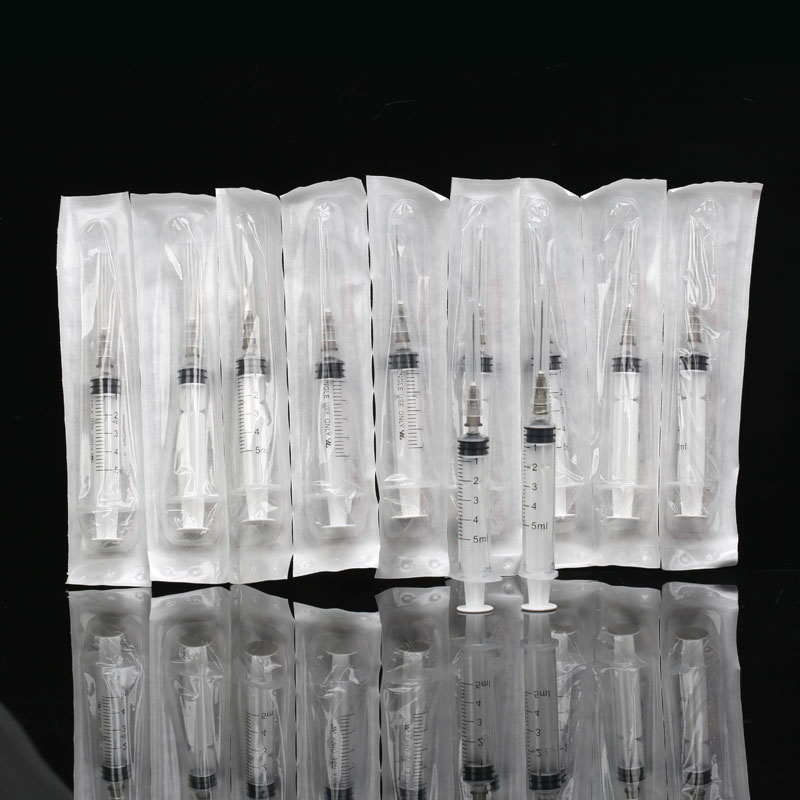
Post time: 2025-11-28 23:48:08